

IUGR in Pregnancy vs SGA Babies: Understanding the Difference
Updated: Aug 3
By Dr. Anuradha Narayanan, Consultant Obstetrician & Gynaecologist
Pregnancy is a journey filled with excitement, but it also involves regular monitoring to ensure your baby’s healthy growth. One of the most common concerns raised during an ultrasound is that the baby is “small.” However, not every small baby has a problem.
Two terms that often cause confusion are Intrauterine Growth Restriction (IUGR), now more accurately referred to as Fetal Growth Restriction (FGR), and Small for Gestational Age (SGA). Although both describe babies that are smaller than expected, they are not the same condition.
Understanding this distinction is important because the management and outcomes are different.
What is IUGR (Fetal Growth Restriction)?
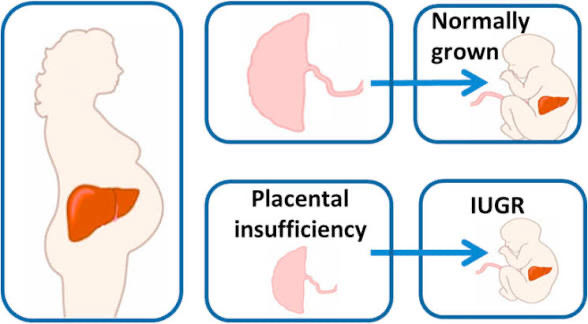
IUGR/FGR is a condition in which a baby does not achieve its genetically determined growth potential because of an underlying problem.
The baby is not simply small—it is growing less than expected due to reduced nutrition, oxygen supply, or disease.
Most commonly, IUGR results from placental insufficiency, where the placenta is unable to provide adequate oxygen and nutrients.
Without timely diagnosis and monitoring, IUGR can increase the risk of:
Stillbirth
Fetal distress during labour
Low birth weight
NICU admission
Breathing difficulties after birth
Developmental delays in severe cases
What is SGA (Small for Gestational Age)?
A baby is considered SGA when its estimated fetal weight or birth weight is below the 10th percentile for that stage of pregnancy.
However, many SGA babies are simply constitutionally small.
For example:
Small parents
Certain ethnic backgrounds
Female babies
First pregnancies
These babies are healthy, receive adequate nutrition, have normal blood flow, and continue to grow appropriately.
Not every SGA baby requires early delivery.
The Key Difference
Think of it this way:
SGA = A naturally small but healthy baby
IUGR = A baby that is small because something is affecting its growth
This difference is extremely important because IUGR babies require much closer monitoring.
Comparison: IUGR vs SGA
Feature
IUGR (FGR)
SGA
Baby size
Below expected
Below 10th percentile
Growth pattern
Slowing or abnormal
Normal growth curve
Cause
Placental insufficiency or disease
Constitutional (naturally small)
Doppler studies
Often abnormal
Usually normal
Amniotic fluid
May be reduced
Usually normal
Risk to baby
High
Low
Need for early delivery
Sometimes necessary
Usually not
Long-term outcome
Depends on severity
Usually excellent
What Causes IUGR?
Several maternal, fetal, and placental conditions can contribute.
Maternal causes
High blood pressure
Preeclampsia
Diabetes with vascular disease
Kidney disease
Autoimmune disorders
Severe anemia
Malnutrition
Smoking
Alcohol
Drug abuse
Placental causes
Placental insufficiency
Placental infarction
Placental abnormalities
Small placenta
Chronic placental disease
Fetal causes
Chromosomal abnormalities
Congenital infections (TORCH)
Structural abnormalities
Genetic syndromes
Multiple pregnancy
Risk Factors
Women are more likely to develop IUGR if they have:
Previous IUGR pregnancy
Previous stillbirth
Chronic hypertension
Lupus
Kidney disease
IVF pregnancy
Twin pregnancy
Advanced maternal age
Poor maternal nutrition
How is IUGR Diagnosed?
Diagnosis is based on a combination of clinical examination and ultrasound.
Your obstetrician may recommend:
1. Fundal height measurement
A uterus measuring smaller than expected may be the first clue.
2. Growth ultrasound
Measures:
Head circumference
Abdominal circumference
Femur length
Estimated fetal weight
Serial growth scans every 2–4 weeks help determine whether the baby is growing appropriately.
3. Doppler ultrasound (Very Important)
Doppler studies assess blood flow in:
Umbilical artery
Middle cerebral artery (MCA)
Ductus venosus (in severe cases)
Abnormal Doppler findings indicate placental insufficiency and help guide timing of delivery.
4. Amniotic fluid assessment
Reduced amniotic fluid (oligohydramnios) often accompanies IUGR.
5. Fetal surveillance
Non-Stress Test (NST)
Cardiotocography (CTG)
Biophysical Profile (BPP)
These tests assess the baby’s well-being.
Types of IUGR
Symmetrical IUGR
Head and body are proportionately small
Usually begins early in pregnancy
Often associated with chromosomal abnormalities, infections, or severe maternal disease
Asymmetrical IUGR
Head size is relatively preserved
Abdomen is disproportionately small
Usually due to placental insufficiency
More common in late pregnancy
How is IUGR Managed?
Treatment depends on:
Gestational age
Severity of growth restriction
Doppler findings
Fetal well-being
Maternal health
Management may include:
Frequent ultrasounds
Doppler monitoring
Blood pressure control
Treatment of maternal illness
Adequate nutrition
Daily fetal movement counting
NST or CTG monitoring
In some cases, early delivery is the safest option, especially if the baby is no longer thriving in the womb.
Can IUGR Be Prevented?
Not all cases can be prevented, but the risk can be reduced by:
Early antenatal care
Regular pregnancy check-ups
Controlling blood pressure and diabetes
Taking prescribed supplements
Eating a balanced, protein-rich diet
Avoiding smoking, alcohol, and recreational drugs
Low-dose aspirin in selected high-risk women, as advised by your obstetrician
Prognosis
Most babies with mild growth restriction do very well when diagnosed early and monitored carefully.
With modern ultrasound, Doppler assessment, and timely delivery, outcomes have improved significantly.
Many babies experience catch-up growth during the first two years of life, although those with severe early-onset IUGR may require long-term developmental follow-up.
When Should You Contact Your Doctor Immediately?
Seek medical attention if you notice:
Reduced fetal movements
Severe headache
Blurred vision
Swelling of the face or hands
Vaginal bleeding
Leakage of fluid
Severe abdominal pain
Persistent contractions before term
These symptoms require prompt evaluation.
Frequently Asked Questions
Can an IUGR baby become normal after birth?
Many babies show excellent catch-up growth after birth, especially if born near term. However, severe cases may require ongoing pediatric follow-up.
Does every small baby need a Caesarean section?
No. The mode of delivery depends on fetal condition, Doppler findings, gestational age, and labour progress. Many small babies can be delivered vaginally if fetal monitoring is reassuring.
Can eating more make an IUGR baby grow faster?
No. While a healthy diet is important, most cases of IUGR are due to placental insufficiency, and simply increasing food intake does not reverse the condition.
Is bed rest helpful?
Routine bed rest has not been shown to improve fetal growth and is generally not recommended solely for IUGR unless advised for another medical reason.
Key Takeaway
A small baby is not always a sick baby. Small for Gestational Age (SGA) babies are often healthy and simply smaller by nature, whereas IUGR (Fetal Growth Restriction) indicates that the baby is not reaching its growth potential due to an underlying problem, most commonly placental insufficiency.
Early diagnosis, careful fetal surveillance with ultrasound and Doppler studies, and timely delivery when necessary can significantly improve outcomes for both mother and baby.


Comments