

Bleeding During Pregnancy: When Should You Worry?
Updated: Sep 7
# Bleeding During Pregnancy: When Should You Worry?
Bleeding during pregnancy can be frightening. Seeing blood when you are expecting a baby naturally causes anxiety. However, bleeding does not always mean that you are losing the pregnancy or that something serious has happened. At the same time, bleeding during pregnancy should never simply be ignored. The cause can range from relatively minor cervical changes to conditions that require urgent treatment. Getting assessed at the right time is important for the health of both mother and baby.
Is Bleeding During Pregnancy Normal?
Some women experience spotting or light bleeding, particularly during early pregnancy. Early pregnancy bleeding is relatively common, and many pregnancies continue normally. (RCOG) However, it is not possible to determine the cause simply by looking at the amount or colour of blood. Any new bleeding in pregnancy should be discussed with your obstetrician or healthcare professional.
What Can Cause Bleeding in Early Pregnancy?
The possible causes depend on how many weeks pregnant you are.
1. Implantation Bleeding
Very early in pregnancy, some women may notice light spotting around the time the pregnancy implants in the uterus. It is usually light and short-lived, but bleeding at this stage should still be discussed with your doctor if you are unsure.
2. Changes in the Cervix
Pregnancy increases blood flow to the cervix. As a result, the cervix can bleed more easily, sometimes following sexual intercourse or a vaginal examination. Cervical infection can also cause bleeding. (nhs.uk)
3. Subchorionic Haematoma
Sometimes blood collects between the pregnancy membranes/placenta and the wall of the uterus. This is called a subchorionic haematoma. It can cause spotting or bleeding and is often identified during an ultrasound examination.
4. Threatened Miscarriage
Bleeding and cramping in early pregnancy can sometimes be associated with a threatened miscarriage. Importantly, bleeding does not automatically mean a miscarriage. If an ultrasound confirms that the pregnancy is developing normally, many women who have early pregnancy bleeding go on to have a healthy baby. (RCOG)
5. Miscarriage
Unfortunately, bleeding can sometimes be a sign of miscarriage. An ultrasound and, when appropriate, blood tests may be required to establish what is happening. Most early miscarriages are not caused by anything the mother did or did not do.
6. Ectopic Pregnancy
An ectopic pregnancy occurs when the pregnancy develops outside the uterus, most commonly in a fallopian tube. Bleeding accompanied by one-sided abdominal pain, shoulder-tip pain, dizziness, or fainting can be an emergency and requires immediate medical assessment. (RCOG)
What About Bleeding Later in Pregnancy?
Bleeding after the first trimester has different possible causes and deserves prompt assessment. Possible causes include:
Placenta previa – when the placenta lies close to or covers the cervix
Placental abruption – when the placenta separates from the uterine wall prematurely
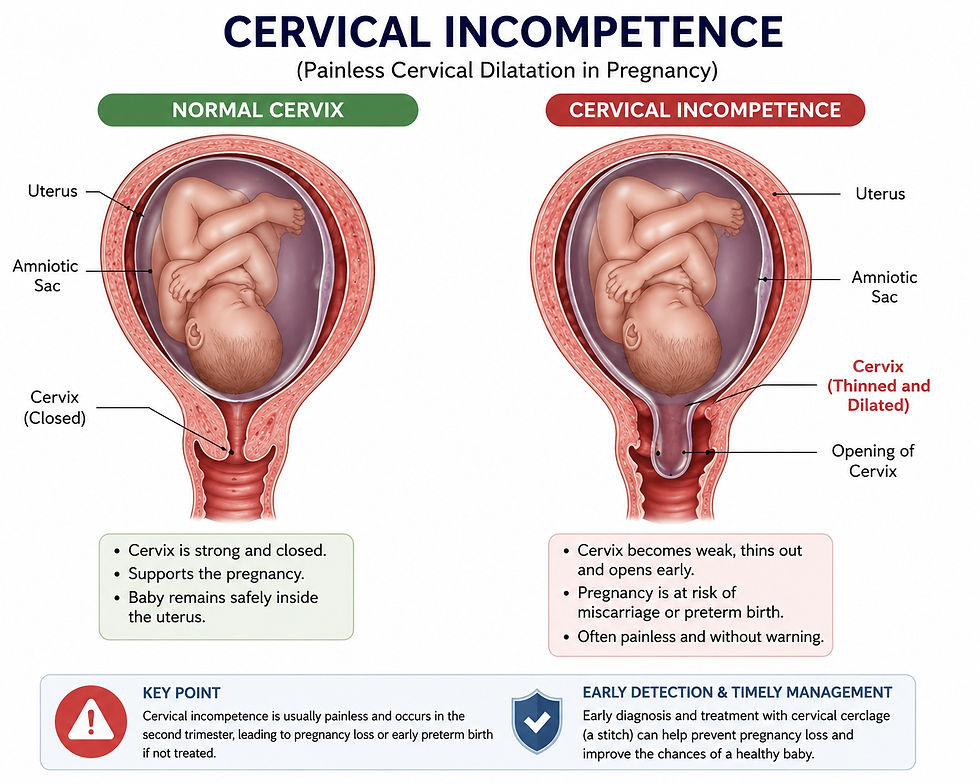
Changes in the cervix
Vaginal or cervical infection
Beginning of labour, particularly when a blood-stained mucus discharge or “show” occurs
Some causes can be serious even when the amount of bleeding initially appears small. (nhs.uk)
When is Bleeding an Emergency?
Seek immediate medical care if bleeding is accompanied by:
Heavy bleeding or rapidly soaking a pad
Passing large clots
Severe abdominal or pelvic pain
Severe or persistent cramps
Shoulder-tip pain
Dizziness, weakness, or fainting
Feeling very unwell
Reduced or absent fetal movements in a pregnancy where you normally feel movements
These symptoms can indicate a significant complication and should not be managed at home. (RCOG)
What Should You Do If You Notice Bleeding?
If you notice bleeding:
1. Stay Calm
Bleeding does not automatically mean that something is wrong with your baby.
2. Note the Amount and Colour
Tell your doctor whether it is spotting, light bleeding, or heavy bleeding, and whether you are passing clots.
3. Note Any Associated Symptoms
Pain, cramps, fever, dizziness, fainting, or reduced fetal movements are important details.
4. Contact Your Obstetrician
Do not wait for the bleeding to become heavy before seeking advice.
5. Do Not Self-Medicate
Avoid taking medicines, including hormonal medicines, without medical advice.
How Will Your Doctor Find the Cause?
Your doctor may ask about:
How many weeks pregnant you are
When the bleeding started
The amount and colour of bleeding
Whether you have pain or cramps
Previous pregnancies and miscarriages
Any medical conditions or pregnancy complications
Depending on your stage of pregnancy and symptoms, assessment may include an ultrasound scan, blood tests, urine testing, and examination of the cervix. (RCOG) A transvaginal ultrasound may sometimes be recommended during early pregnancy because it provides a clearer view. RCOG patient guidance states that a transvaginal scan does not increase the risk of miscarriage. (RCOG)
Does Bleeding Always Mean Miscarriage?
No. This is one of the most important things to remember. Bleeding in early pregnancy can occur in pregnancies that continue normally. However, because miscarriage and ectopic pregnancy are also possible causes, the only safe approach is appropriate medical assessment rather than assuming that the bleeding is harmless. (RCOG)
What Should You Remember?
Bleeding during pregnancy can have many causes.
Light bleeding does not always mean miscarriage.
Heavy bleeding, severe pain, dizziness, fainting, or shoulder pain require urgent assessment.
Bleeding later in pregnancy should be assessed promptly.
Early evaluation helps identify problems early and allows appropriate treatment when needed.
When in doubt, get checked.
If you experience bleeding during pregnancy, contact your obstetrician rather than worrying alone.
Anurag Women's Health Care
Compassionate Care. Every Woman. Every Stage.
Chembur, Mumbai
88509 11046
This article is for patient education and does not replace an individual medical consultation. The appropriate evaluation depends on your gestational age, symptoms, and medical history.
Also Read


Comments